
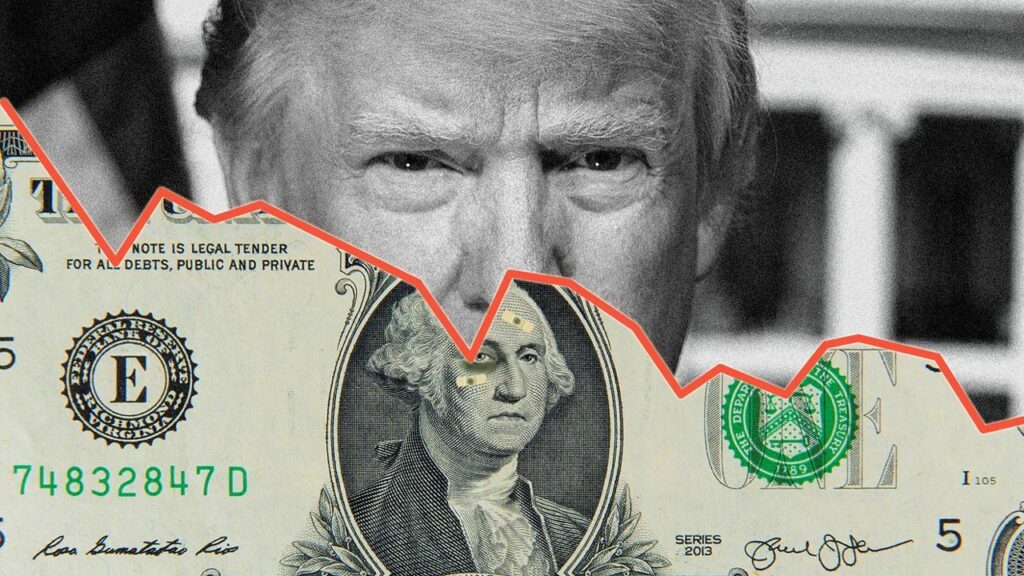
For decades, investors have operated under a simple assumption: when global markets tumble, the US dollar rises. This relationship has been so reliable that the greenback earned its reputation as the world’s premier safe haven asset. However, recent market dynamics suggest this conventional wisdom may no longer hold true in all circumstances.
The Traditional Safe Haven Narrative
Historically, the dollar’s safe haven status rested on several pillars. The United States boasts the world’s largest economy, deepest financial markets, and most liquid government bond market. During times of crisis, investors would rush to US Treasury bonds, driving up demand for dollars. The currency benefited from its role as the global reserve currency, with central banks worldwide holding substantial dollar reserves.
This pattern played out predictably during the 2008 financial crisis, the European debt crisis, and numerous geopolitical shocks. The dollar strengthened as investors sought stability, reinforcing its reputation as a crisis-era winner.
Cracks in the Foundation
Yet the relationship between global uncertainty and dollar strength has become increasingly complex. In recent years, we’ve witnessed instances where traditional safe haven flows diverged from expectations. The dollar’s performance during market stress now depends more on the nature and origin of the crisis than ever before.
When uncertainty stems from US domestic issues, whether political dysfunction, fiscal concerns, or banking sector stress, international investors may actually flee dollar assets rather than embrace them. The 2023 regional banking crisis illustrated this perfectly, as questions about US financial stability prompted some diversification away from the currency.
The Rise of Alternatives
The dollar also faces growing competition in the safe haven space. The Swiss franc and Japanese yen have long served as alternative havens, but their appeal has strengthened as global capital becomes more mobile. Gold has reasserted itself as a crisis hedge, with central banks increasing their gold reserves as a counterbalance to dollar holdings.
Furthermore, the increasing weaponization of the dollar through sanctions has prompted some nations to actively reduce dollar dependence. While de-dollarization remains gradual and incomplete, it represents a shift in the psychological foundation that underpinned the dollar’s safe haven status.