
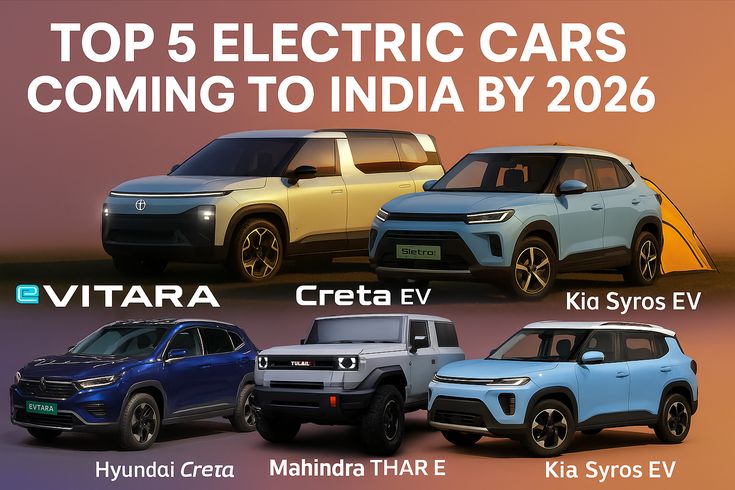
As India accelerates toward a sustainable and electric future, electric vehicles (EVs) are taking center stage in the country’s automotive revolution. Government incentives, growing charging infrastructure, and heightened consumer awareness have fueled a surge in EV adoption — a trend that will only amplify by 2026.
However, with the rise in electric cars comes an essential question for owners and potential buyers: How does EV car insurance work, and how does it differ from conventional car insurance?
In this comprehensive guide, we’ll explore everything you need to know about EV car insurance in India in 2026, including coverage details, battery protection, cost comparison, and key insights to help you make an informed decision.
1. The Rise of Electric Vehicles in India
Over the past few years, India’s EV market has experienced exponential growth. With government-backed initiatives like the FAME II (Faster Adoption and Manufacturing of Hybrid and Electric Vehicles) scheme and state-level subsidies, EV ownership is no longer a distant dream.
By 2026, industry experts predict that electric cars will account for 10–15% of all new passenger vehicle sales in India. Automakers such as Tata Motors, Mahindra, BYD, and Hyundai have already made strong entries into the electric space, offering models across various price segments.
With this rapid adoption, the insurance sector has adapted quickly, rolling out tailored EV-specific insurance plans that consider factors unique to electric mobility—like battery protection, charging equipment coverage, and the higher replacement costs for EV components.
2. How EV Car Insurance Differs From Conventional Car Insurance
At first glance, you might assume EV insurance is similar to traditional car insurance. While the core concept—financial protection against accidents, theft, and damages—remains the same, EVs introduce distinctive risks and repair complexities that necessitate specialized coverage.
Here’s a quick comparison:
| Feature | Conventional Car Insurance | EV Car Insurance (2026) |
|---|---|---|
| Engine Coverage | Covers internal combustion engine (ICE) | Covers electric motor & controller |
| Fuel System | Covers petrol/diesel systems | Not applicable |
| Battery Pack | Not included | Battery-specific protection for damage, degradation, or fire |
| Charging Equipment | Not applicable | Covers home/public charging setup and cables |
| Repair Costs | Generally lower | Higher due to specialized EV parts |
| Premiums (2026) | Moderate | Slightly higher, but falling with mass adoption |
In short, EV car insurance in 2026 provides a more comprehensive and tailored approach, ensuring every aspect of the electric driving experience is protected.
3. Battery Protection: Why It Matters More Than Ever
Every EV owner knows that the most expensive component of their car is the battery pack. By 2026, although battery manufacturing costs have declined significantly due to local production and battery recycling, replacement still remains a high-ticket expense.
Here’s why battery protection is crucial:
- Replacement Cost: A new battery can cost between ₹4–₹7 lakh, depending on brand and capacity.
- Degradation Over Time: Batteries lose efficiency gradually, which can affect range.
- Weather & Power Surges: High temperatures, monsoon floods, or unstable electricity supply can cause damage.
Most insurers now partner directly with OEMs (like Tata or Hyundai) to assess battery health and streamline repairs or replacements under warranty or insurance.
4. Cost Comparison: EV vs. Petrol/Diesel Car Insurance (2026)
By mid-2026, the insurance landscape for EVs in India looks promising. Let’s look at how EV insurance costs stack up against traditional cars.
| Vehicle Type | Average Annual Premium (Comprehensive) | Average Maintenance Cost | Notes |
|---|---|---|---|
| Petrol Hatchback (₹8–10L) | ₹10,000 – ₹12,000 | ₹15,000/year | Higher fuel & maintenance cost |
| Electric Hatchback (₹10–12L) | ₹11,000 – ₹13,000 | ₹6,000/year | Higher insurance, lower running cost |
| Petrol SUV (₹15–20L) | ₹18,000 – ₹20,000 | ₹20,000/year | Regular engine service needed |
| Electric SUV (₹20–25L) | ₹20,000 – ₹23,000 | ₹8,000/year | Battery cover increases cost slightly |
✅ Key Takeaway:
Although the insurance premium for EVs is slightly higher (by 10–15%), the total cost of ownership (TCO) is lower due to reduced running and maintenance costs.
Insurers are expected to reduce premiums by 2026 as battery prices drop and EV claim data becomes more predictable.
5. Top Insurers Offering EV Coverage in India (2026)
Several top Indian insurers have launched EV-specific products. As of 2026, the most competitive providers include:
- ICICI Lombard EV Protect Plan – Comprehensive EV insurance with smart telematics integration.
- HDFC ERGO GreenDrive Policy – Covers battery degradation and portable chargers.
- Tata AIG E-Mobility Cover – Ideal for Tata and MG EV owners; includes green network support.
- Bajaj Allianz EV Max – Covers even manufacturer defects under specific plans.
- Acko SmartCharge Cover – Online-first policy with easy battery diagnostics and cashless repairs at EV centers.
Each insurer differs in terms of premium rates, claim convenience, and available add-ons — so comparing them online is recommended before you renew or buy a plan.
Final Thoughts
Electric mobility isn’t just a trend — it’s the future of transportation. And as the number of EVs multiplies across Indian roads, having the right insurance coverage becomes non-negotiable.
By 2026, car insurance tailored to electric vehicles will go far beyond basic coverage. From battery protection to charger security and telematics-driven pricing, the focus will shift toward providing holistic protection for your green investment.
So if you’re switching to an EV — or already own one — make sure your policy evolves with the times. Compare, customize, and choose an EV insurance plan that balances affordability, comprehensive coverage, and future readiness.