
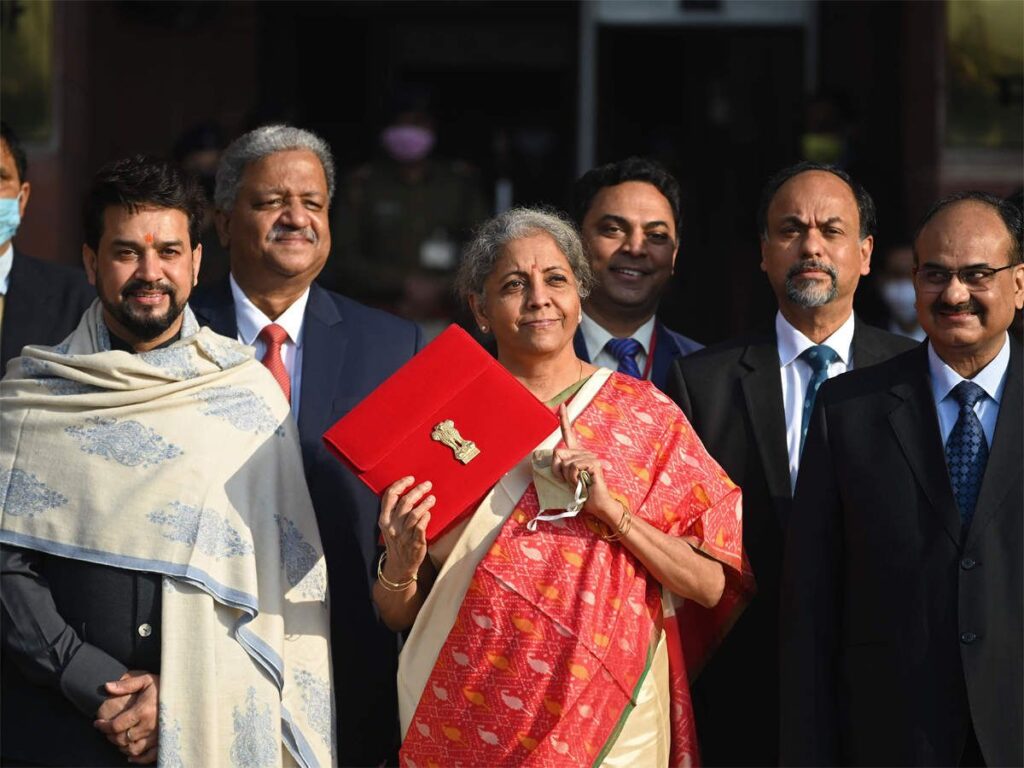
Education is more than a policy line item — it is the foundation of a nation’s growth, prosperity, and social equity. As India prepares its Union Budget for 2026, voices from educators, policymakers, parents, and industry leaders are increasingly calling for transformative investment in the sector. With India’s demographic dividend at stake, the question is simple yet profound: Is this the moment for a massive boost to education funding?
In this blog, we explore why education deserves priority in budget planning, what has been done so far, where gaps remain, and how smart funding can reshape India’s future.
Why Education Must Be a Top Budget Priority
Education is not merely another government expenditure — it is a strategic investment with compounding returns.
According to UNESCO, every additional year of schooling can increase an individual’s earnings by about 9–10% — and every dollar invested in education can yield up to fifteen times in economic returns. Education also reduces poverty, promotes gender equality, and strengthens civic institutions. These benefits ripple across all aspects of society.
When governments under-invest in education, the costs show up in the form of skill gaps, unemployment, poor health outcomes, and persistent poverty.
What India Has Already Allocated: The 2025 Framework
To understand where India stands today, we must look at recent budget allocations.
In the Union Budget 2025-26, the Indian government allocated around ₹1.28 lakh crore to the education sector — marking a roughly 6–7% increase over the previous year.
Key areas of focus included:
School and Literacy Initiatives: The Department of School Education and Literacy received the majority share, recognizing primary and secondary education as foundational.
Higher Education Expansion: Funding was directed toward expanding seats in premier institutions, such as expanding IIT capacities and adding tens of thousands of medical college seats — with plans to add 10,000 medical seats in the coming year.
Technical and Skill Development: The budget introduced 50,000 Atal Tinkering Labs in government schools, signalling a strong emphasis on innovation and STEM learning from an early age.
AI and Digital Infrastructure: A Centre of Excellence in Artificial Intelligence for Education with an initial allocation of ₹500 crore aimed to integrate digital tools into both teaching and learning.
Broadband Connectivity: Recognizing the digital divide, broadband connectivity is being extended to government schools, a critical step for equitable access to digital learning.
These steps underline a larger shift: from just access to quality, innovation, and future readiness.
Why Many Experts Think This Is Not Enough
Despite these positive allocations, many stakeholders believe that incremental increases are insufficient to match India’s long-term needs.
1. The NEP 2020 Target Is Still Distant
Under the National Education Policy (NEP) 2020, India had committed to increasing public spending on education to 6% of GDP. However, education spending has hovered significantly below that target — around 4–4.5% of GDP.
While budgets have grown in nominal terms, they haven’t kept pace with the scale of transformation the sector demands.
2. Quality, Not Just Quantity
Much of the recent budget’s focus has been on numbers — seats, labs, facilities. But experts argue that quality outcomes, such as improved learning levels, teacher training, and relevant curricula, require more thoughtful investment.
As education leaders have pointed out, the 2026 Budget must go beyond infrastructure and prioritize teacher quality, skill integration, industry linkages, and job readiness.
3. Rural and Tier-2/3 Gaps Remain
Even with higher allocations, disparities persist:
Many rural schools still lack trained teachers or digital resources.
Tier-2 and Tier-3 colleges often lag behind in industry-relevant education.
Skill development programs are abundant but not always aligned with employment opportunities.
These gaps can only be bridged with strategic, targeted funding — not just across the board increases.
Looking Ahead: What Should Budget 2026 Prioritize?
As the government crafts the 2026 Union Budget, the education sector’s expectations can be grouped into a few high-impact priorities:
1. Boosting Quality Learning Outcomes
Instead of simply increasing the number of schools or seats, budgets should invest in:
Teacher recruitment, training, and performance incentives
Curriculum reforms linked to real-world skills
Assessment systems that promote learning outcomes
These steps ensure that education leads to competence and opportunity.
2. Strengthening Digital and AI-Driven Learning
Digital infrastructure has immense potential, but it must be paired with:
Teacher capacity building for EdTech tools
Affordable devices and connectivity for all students
AI-powered adaptive learning systems
With India aiming to become a global tech hub, digital education must be fully funded and wisely deployed.
3. Enhanced Focus on Skills and Employment Linkages
With a growing youth population, the transition from education to employment is critical. The budget should allocate more resources to:
Industry-linked vocational courses
Internships and apprenticeships
Rural skill development programs
These investments will help bridge the gap between classroom learning and workforce requirements.
4. Equity and Inclusion Across Regions
Budgetary reforms must target:
Gender parity in education access
Support for students with disabilities
Language and cultural inclusivity
Funds should be earmarked to eliminate historic disparities in educational access and achievement.
How Budget Priorities Can Impact India’s Future
Investing in education is not just about fairness — it’s about economic and social transformation.
Economic Growth and Job Creation
With rapid automation and digital disruption, India needs a workforce equipped with 21st-century skills. A strong education system will:
Boost productivity
Fuel innovation
Attract global investments
Experts note that improvements in education not only benefit individuals but contribute substantially to GDP growth.
Social Equity and Gender Empowerment
Better education budgets lead to wider participation from underrepresented communities. As more girls and economically disadvantaged students gain access to quality education, societal inequality shrinks over time.
Global Competitiveness
In today’s knowledge economy, nations compete on innovation and skill strength. Countries that invest upfront in education reap long-term advantages in technology, research, and global influence.
Conclusion: Is 2026 Budget the Moment for a Massive Boost?
The answer lies in how the funds are allocated.
The strides made in recent budgets — such as increased funding, digital initiatives, and skill-based institutions — are commendable. But to truly boost education massively in India, the 2026 Budget must go beyond incremental changes and embrace strategic, high-impact investment that prioritizes quality, inclusion, innovation, and future-oriented skills.
In essence, the question isn’t just whether India should invest more — it is how intelligently it does so. With the right budget choices in 2026, India not only empowers its youth but also strengthens the very foundation of its socio-economic future.